
Due Diligence Survey Work for Former Gas Station Sites
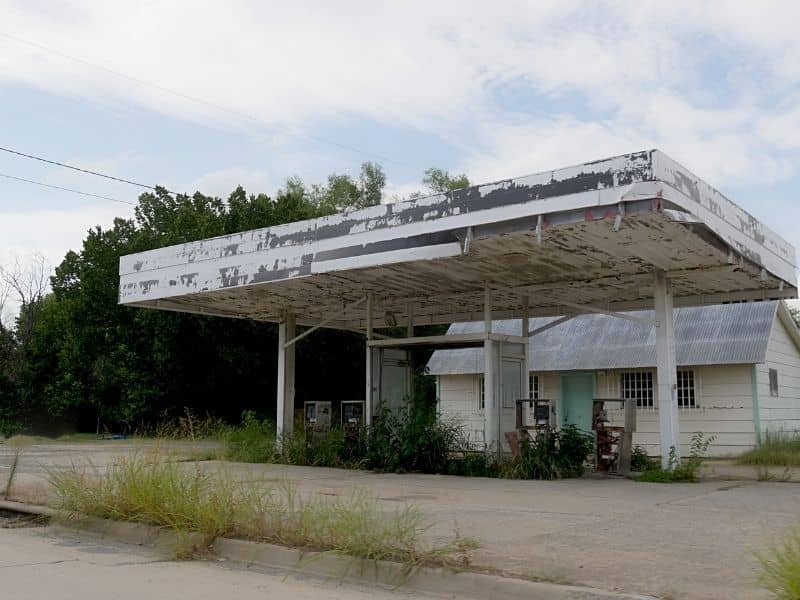
A former gas station carries a long physical history. Before a buyer commits to redevelopment, a due diligence survey records what is actually on the ground. This kind of survey work looks at the property’s physical layout, existing features, and recorded property lines. It does not test soil or fuel residue. That work is separate, and we will get to it.
What a Due Diligence Survey Can Reveal Before a Former Gas Station Changes Hands
A due diligence survey shows the current physical shape of the property. It maps existing structures, paved areas, and site access. It ties those features to the recorded property lines. This gives a buyer a clear base before redevelopment planning starts.
Old fueling sites rarely sit empty and flat. There may be a canopy, a former sales building, pump islands, or an air and water station. A survey documents where these sit and how they line up with the property boundary. That matters when a buyer wants to know how much usable space is really there.
Some features connect to more than the parcel itself. A shared entrance, an access drive, or a paved area may cross a line or serve a neighbor. The survey records those relationships so the buyer sees them before closing, not after. A feature that looks like part of the site may sit partly on adjacent land.
Survey work also feeds other parts of the buyer’s review. Title, zoning, and environmental teams all use property information. When the survey and those reviews share the same base data, the picture holds together. That coordination starts with a clear scope.
Scope should follow the buyer’s intended use. A person planning a small retail pad needs different information than one planning a multi-tenant building. Setting the scope around the end goal keeps the survey useful and keeps its cost tied to real project needs.
Mapping the Remnants of a Former Fueling Site
This survey documents the physical leftovers of a fueling operation. It does not detect contamination. It gives the redevelopment team an accurate picture of what stands on the site today.
Former gas stations tend to leave a common set of features. Within the agreed scope, a survey can record:
- Remaining structures, such as a former store building, canopy, or equipment shelter
- Paved surfaces, including the old drive lanes and parking areas
- Driveways and points of site access along the street frontage
- Visible site improvements, like curbs, islands, signs, and lighting bases
- Existing utility-related features that are visible and part of the scope, such as meters, vaults, and marked lines
- Physical conditions that could affect how a new building or drive is laid out
The value here is a clear map of reality. A redevelopment team working from guesswork can miss a structure that limits where a new building fits. A measured drawing shows the hard edges of the site. That helps the team plan around what already exists.
Where Survey Information Meets Environmental Due Diligence
Survey work and environmental due diligence answer different questions. A survey documents physical and property information within its defined scope. Environmental work investigates conditions in the ground, including possible releases from past fuel use. One does not replace the other.
A surveyor records what can be seen and measured. Building footprints, paved areas, property lines, and visible utilities all fit inside that lane. The survey supports planning and property decisions. It is not a chemical study of the soil.
Environmental due diligence handles the buried questions. A Phase I Environmental Site Assessment reviews a property for recognized environmental conditions, which include concerns tied to petroleum products. That review follows the ASTM E1527 standard. It is the tool built to flag fuel-related risk, not the survey.
For a former gas station, these two disciplines often run side by side. The survey shows the physical site. The environmental review looks at what past fuel use may have left behind. When both teams share information, the buyer gets a fuller understanding of the property. Treating either one as the whole story leaves a gap.
Survey Details That Can Influence the Redevelopment Layout
Good survey information shapes early design choices. The details below come from the pre-development stage, before any construction planning begins. They help the project team decide what fits and where.
The site configuration is the starting point. Where the old structures, drives, and paved areas sit affects where new work can go. Access and circulation features matter too, since curb cuts and drive lanes set how vehicles will move on and off the property.
Recorded property information rounds out the picture. This covers the boundary, along with easements or rights that appear in the survey’s scope. A buried access right or a utility easement can steer a building away from part of the lot. Knowing that early saves rework later.
All of this becomes shared input for the wider team. Engineers, architects, environmental professionals, attorneys, and other consultants can each pull what they need from a clear survey. The survey is one piece of the redevelopment review, not the whole of it. It answers the physical questions and hands the rest to the right specialists.
What Buyers Should Clarify Before Ordering a Due Diligence Survey
A short list of questions keeps the survey aimed at the project. Before ordering a due diligence survey, a buyer should get clear on the following:
- What is the intended redevelopment use for the site?
- What survey information does the project team actually need?
- Is the work being coordinated with an environmental consultant?
- Are any existing plans or previous surveys available for the property?
- What site features need to be documented within the scope?
- Does the survey need to support preliminary design or another specific transaction purpose?
- What deliverable will the buyer receive at the end?
Clear answers up front keep the scope tight and the results useful. A survey ordered without a defined purpose can miss what the buyer really needed.
Former fuel sites often bring several parties into one project. In Colorado Springs, a redevelopment of an old gas station may call for coordination among surveyors, environmental professionals, engineers, attorneys, and the redevelopment team. Each one covers a different part of the review. A survey built around the buyer’s goals gives that group a common physical record to work from.
Frequently Asked Questions
Can a due diligence survey tell a buyer whether a former gas station has contaminated soil?
No. A survey should not be treated as an environmental contamination study. Survey work documents physical and property information within its defined scope. Environmental due diligence, such as a Phase I Environmental Site Assessment, is the review that addresses environmental conditions and petroleum-related concerns.
Why might a former gas station need survey work before redevelopment?
A buyer often needs reliable information about the property’s existing physical conditions and features before moving into redevelopment planning. The survey records structures, paved areas, access, and recorded property lines. That base helps the design team understand what is already on the site. The exact scope depends on the property and the proposed project.
Should a surveyor and environmental consultant coordinate on a former gas station project?
They often should. Survey information and environmental findings answer different questions about the same property. Sharing that information helps the redevelopment team understand both the physical site and the environmental review. Kept apart, each leaves part of the picture unanswered.
